How it works
Framing depends on two numbers: the sensor's size and the lens's focal length. Everything here is computed from those two, then drawn on a photo whose own numbers are known.
Method
An ideal (rectilinear) lens projects the scene like a pinhole: the angle of view across one side is 2 × atan(side ÷ (2 × focal length)). A tighter frame from the same spot is exactly a centred crop of a wider photo, so any setup can be drawn as a rectangle on a wide reference photo.
Each reference photo was taken at a known focal length on a known sensor (read from its EXIF data) and is published uncropped, so its edges have known angles. A setup's rectangle is its own angle divided by the photo's, side by side, in tangent space. Frames wider than the photo make the view zoom out; the hatched margin is what the photo doesn't show.
"Equivalent focal length" uses the conventional crop factor (APS-C 1.5, Canon APS-C 1.6, Micro Four Thirds 2, 1-inch 2.7, medium format 0.79), which compares diagonals. The rectangles use the real sensor dimensions, so a 4:3 sensor is drawn taller and narrower than a 3:2 one at the same equivalent.
What it ignores
- Distortion and fisheye projection: fisheye lenses are left out of the catalog.
- Focus breathing: many lenses frame tighter or wider at close focus than their marked focal length.
- Video crops, in-camera crop modes and aspect-ratio settings.
- Depth of field and background blur: the same framing on a larger sensor still blurs the background more.
Camera and lens data
507 cameras and 1489 lenses (public specs only), imported on 2026-11-04 from the catalog of chiisai.camera
Reference photos
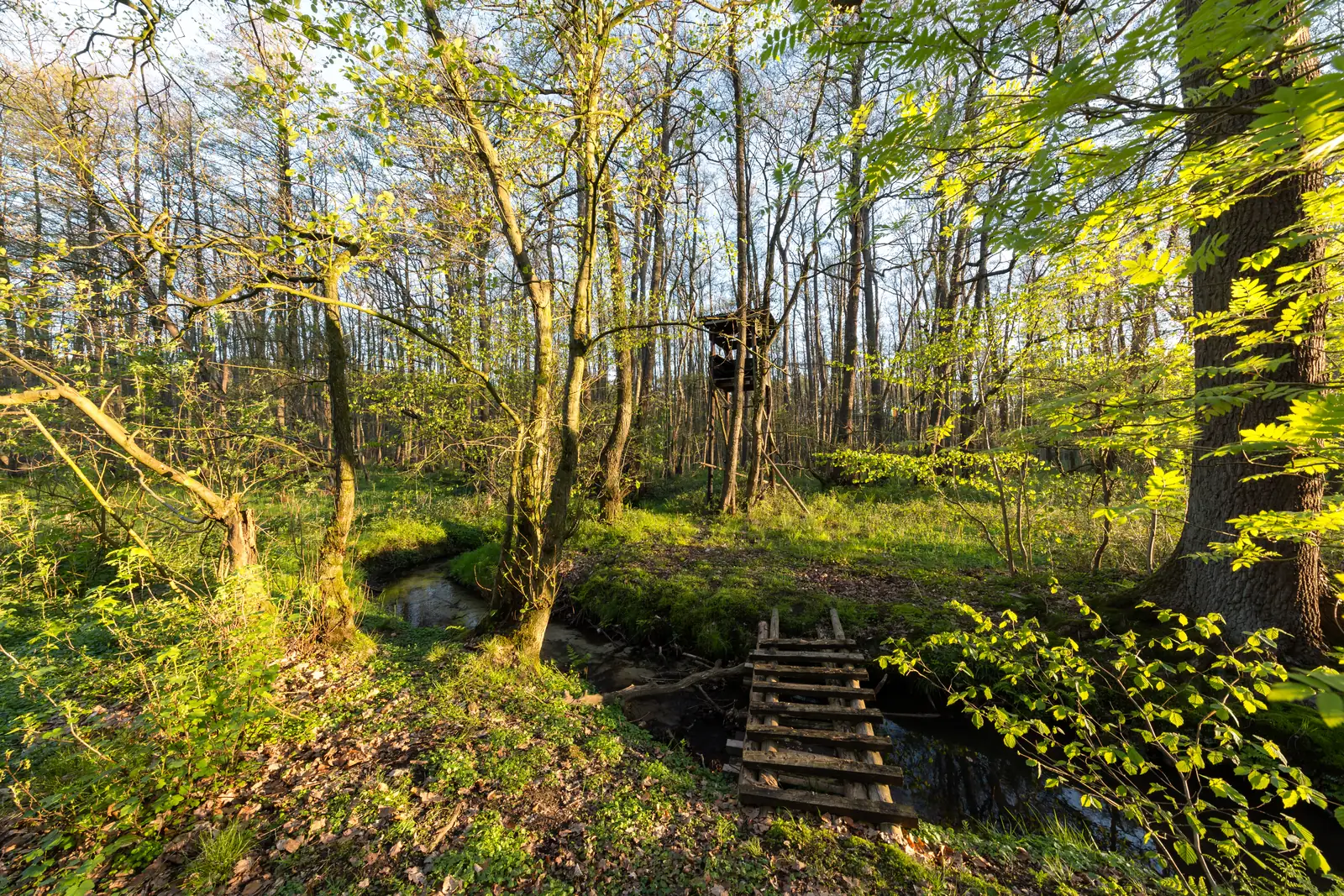 Forest — photo by Dietmar Rabich, CC BY-SA 4.0Canon EOS 5D Mark III · Canon EF 11-24mm f/4L USM · 11mm (11mm eq.)Resized for the web; otherwise unmodified.
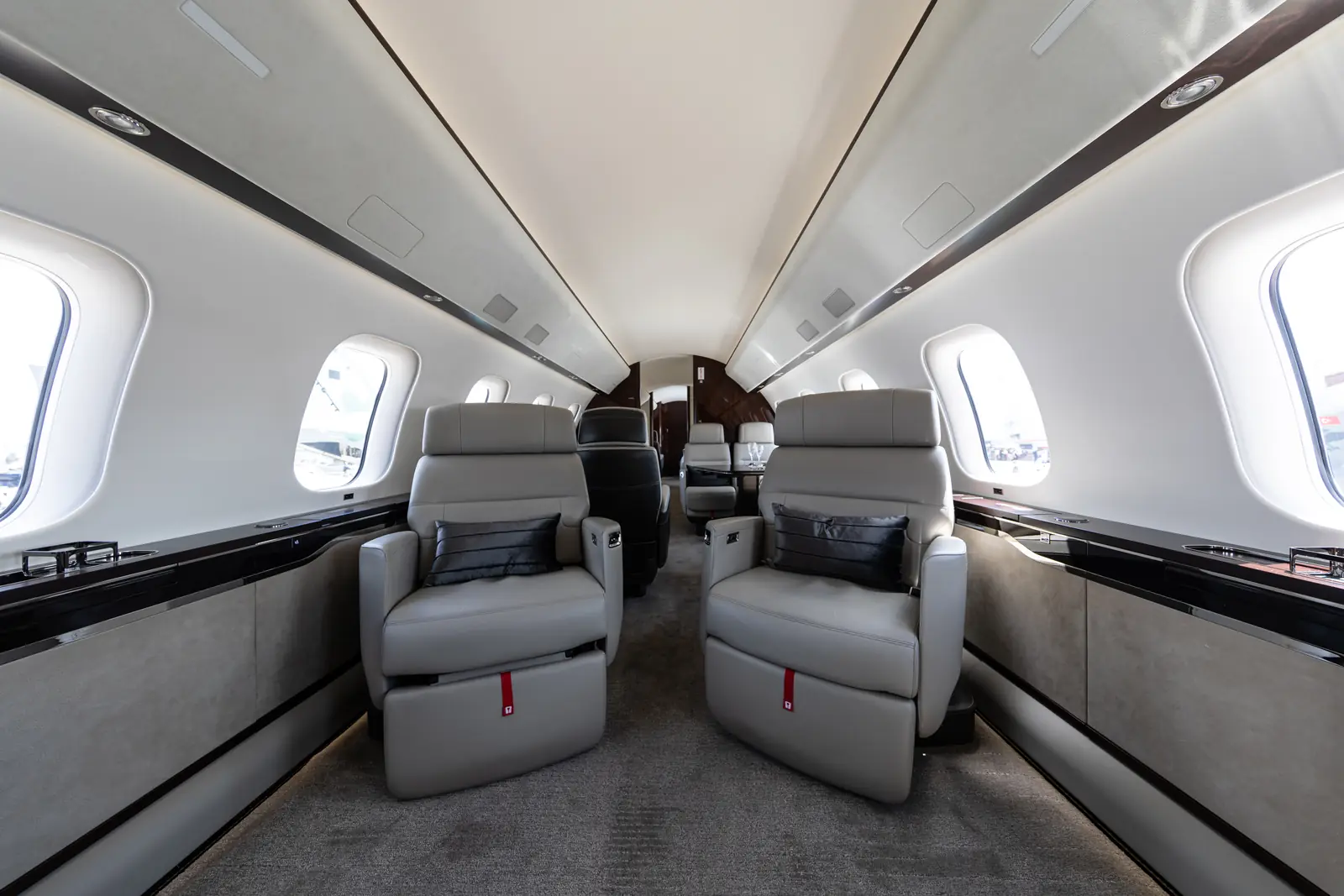 Jet cabin — photo by Matti Blume, CC BY-SA 4.0Canon EOS 5D Mark IV · Canon EF 11-24mm f/4L USM · 11mm (11mm eq.)Resized for the web; otherwise unmodified.
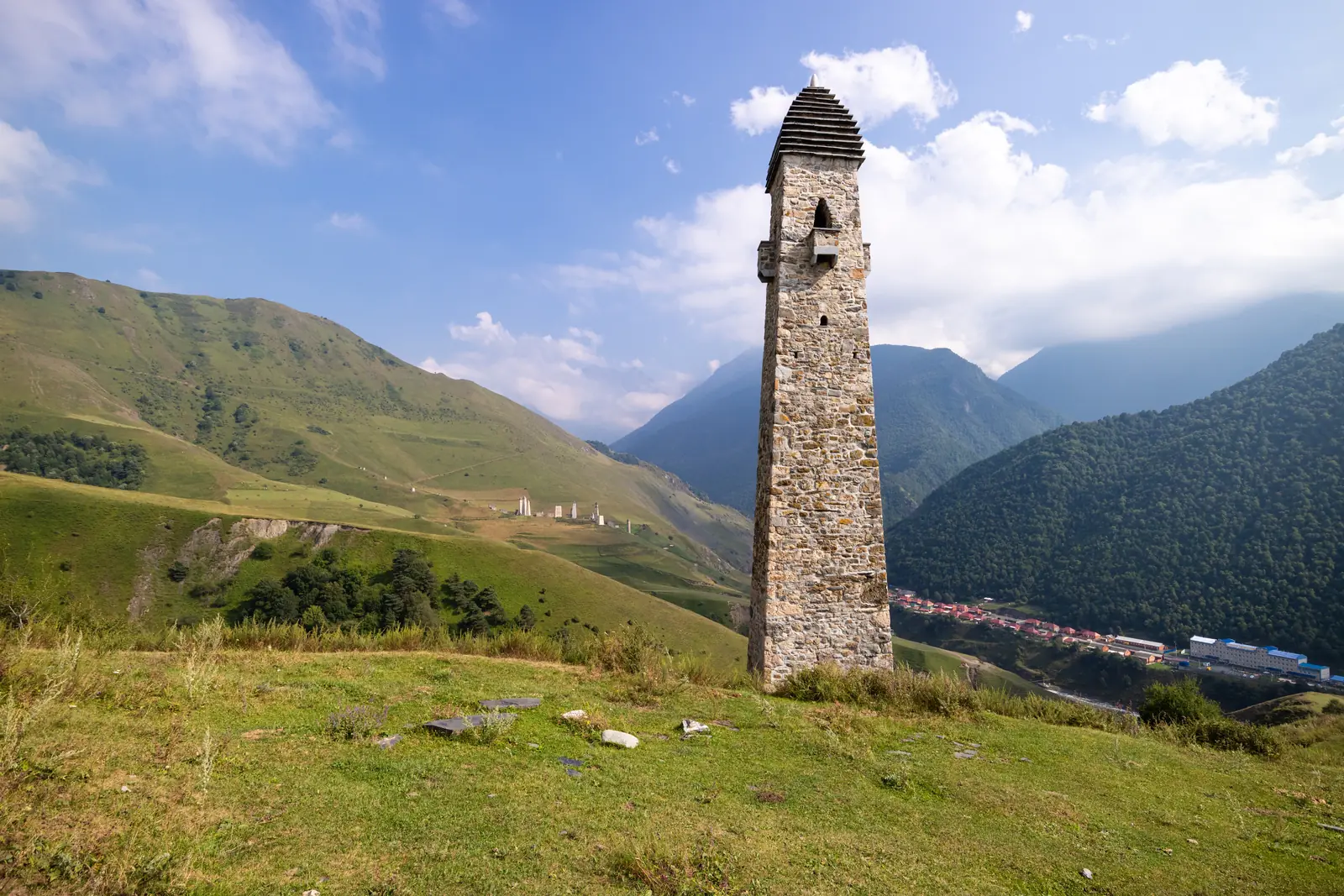 Mountains — photo by Vyacheslav Argenberg, CC BY 4.0Canon EOS M3 · Canon EF-M 11-22mm f/4-5.6 IS STM · 11mm (17.7mm eq.)Resized for the web; otherwise unmodified.


